Record spending and GOP edge shaped 2026 Southwest races
The $850 million campaign trail and an 88.1 percent Republican fundraising advantage defined the backdrop for Democratic victories in key Southwest states.
By Aiko Rojas ·
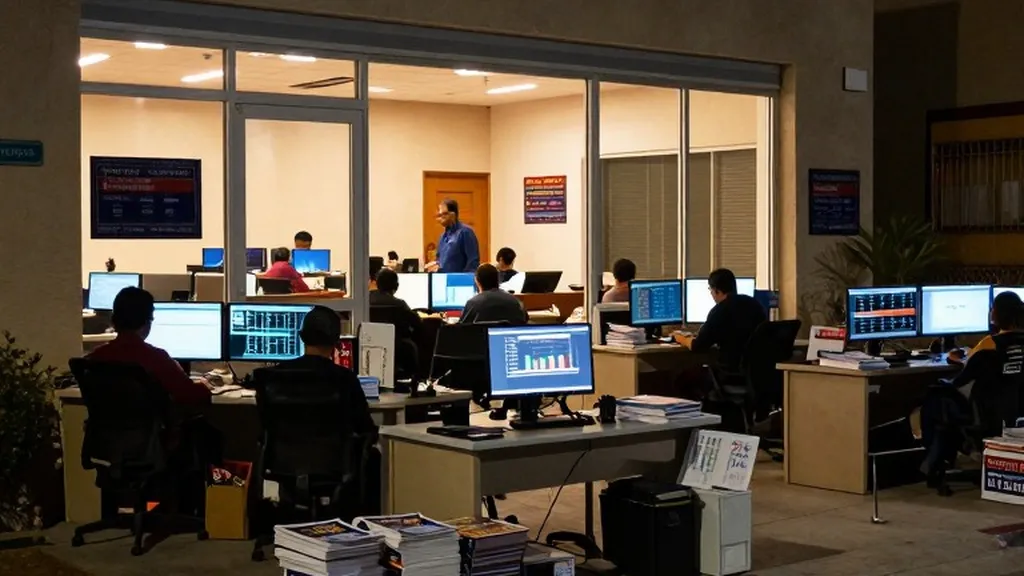
Voters in the Southwest cast their ballots on Tuesday, November 3, 2026, to decide critical races in Arizona, New Mexico, Nevada, Utah, and Colorado. The election marked a significant shift in power, with Democrats securing majorities in both chambers of Congress and winning a majority of governorships for the first time since before the 2010 elections. This outcome followed a campaign that financial analysts have described as the most expensive in history, characterized by intense competition over federal oversight, the cost of living, and the administration's handling of the Iran war. The financial scale of the contest set a new benchmark for American politics, with total spending figures that dwarfed previous midterms.
The sheer volume of money poured into the 2026 election cycle created a distinct dynamic for candidates across the region. According to campaign finance data, the total expenditure reached $850 million, a figure that reflects the high stakes involved in controlling the House and Senate. This level of spending allowed for extensive advertising campaigns and ground operations, particularly in swing states like Arizona and Nevada. The influx of capital highlighted the increasing reliance on external funding sources and party committees, which played a pivotal role in shaping the narrative around the election. For Democratic leaders in the Southwest, the ability to match this spending was a key strategic challenge during the final weeks of the campaign.
Despite the record-breaking total, the distribution of funds revealed a significant imbalance favoring the Republican side. Data indicates that Republican committees maintained an 88.1 percent edge in certain fundraising metrics, a figure that underscored the structural advantage the GOP held in terms of donor networks and party infrastructure. This financial edge was particularly pronounced in states where Democrats faced open seats or incumbent challenges. In New Mexico and Colorado, Democratic candidates had to navigate a landscape where Republican-aligned groups could outspend them in targeted media markets. The disparity in funding was a central topic of discussion among Democratic strategists, who worked to leverage their candidate-level advantages to offset the committee-level deficits.
In Arizona, voters focused on the governor's race featuring incumbent Katie Hobbs, with polls open from 6 a.m. to 7 p.m. The state did not have a Senate race, which shifted attention entirely to the executive branch. The campaign in Arizona highlighted the national themes of cost of living and oversight of the administration. Democrats in the state emphasized the need for a strong legislative check on the executive, a sentiment that resonated with voters concerned about the administration's domestic policies. The financial resources deployed in Arizona were substantial, reflecting the state's status as a key battleground in the Southwest. The outcome in Arizona contributed to the broader Democratic trifecta gains seen across the region.
New Mexico presented a different set of challenges, with polls open from 7 a.m. to 7 p.m. The state featured a Senate race with incumbent Ben Ray Luján and an open seat for governor. The presence of a Senate race in New Mexico added a layer of complexity to the financial dynamics of the election. Candidates had to compete for limited advertising dollars in a smaller media market while also addressing state-specific issues. The Republican committee edge was felt here as well, with GOP groups spending heavily to support their candidates. However, the candidate-level edge for Democrats in New Mexico allowed them to maintain a competitive presence throughout the campaign. The state's results were part of the broader pattern of Democratic gains in the Southwest.
Nevada, with polls open from 7 a.m. to 7 p.m., focused on the governor's race with incumbent Joe Lombardo. There was no Senate race in the state, which meant that the financial resources were concentrated on the executive contest. The campaign in Nevada highlighted the importance of local issues, such as healthcare and the cost of living, in a state with a diverse population. The $850 million national spending figure included significant contributions to the Nevada race, as both parties sought to solidify their hold on the state. The Republican fundraising advantage was a persistent theme, but Democratic candidates leveraged their strong ground game to maintain support. The outcome in Nevada was a testament to the effectiveness of targeted spending and local campaigning.
Utah, where polls were open from 7 a.m. to 8 p.m., did not have a governor or Senate race, making the financial dynamics of the election less prominent in the state. However, the national trends still influenced local campaigns, particularly in terms of messaging and voter outreach. The absence of high-profile federal or executive races meant that the financial resources were directed toward other local offices. The 88.1 percent Republican committee edge was less directly applicable in Utah, but the overall financial landscape of the election still shaped the political environment. The state's results were consistent with the broader trends seen in the Southwest, reflecting a shift in power that favored Democrats in many areas.
Colorado, with polls open from 7 a.m. to 7 p.m., featured a Senate race with incumbent John Hickenlooper and an open seat for governor. The financial resources in Colorado were substantial, reflecting the state's importance in the national electoral map. The campaign highlighted the need for oversight of the administration and attention to the cost of living, themes that resonated with voters in the state. The Republican committee edge was a factor, but the candidate-level edge for Democrats allowed them to remain competitive. The $850 million total spending figure included significant contributions to the Colorado races, as both parties sought to secure a win. The outcome in Colorado was part of the broader Democratic gains in the Southwest, contributing to the new majority in Congress.