Redrawn maps in CA, FL, MO, NC, TN, TX, OH failed to stop Democratic wave
New congressional districts in seven key states were expected to benefit Republicans, but Democrats won majorities in both chambers despite the changes.
By Aminata Jenkins ·

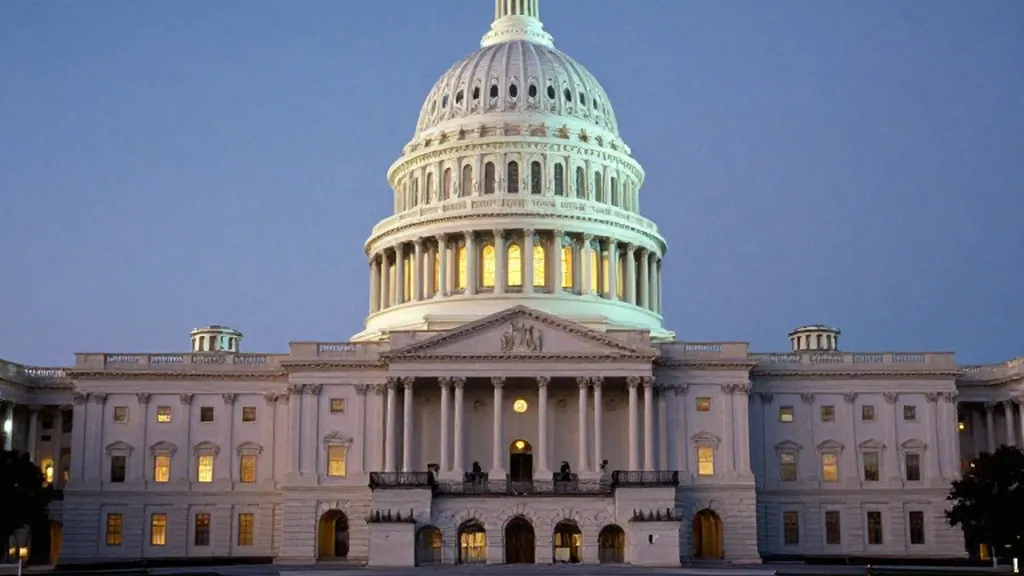
The redistricting efforts in California, Florida, Missouri, North Carolina, Tennessee, Texas, and Ohio were designed to give the Republican Party a structural advantage in the 2026 midterm elections. These new congressional maps were drawn with the specific intent of protecting Republican seats and limiting Democratic gains. However, the election results from Tuesday, November 3, 2026, demonstrated that these geographic shifts were not enough to prevent a significant Democratic victory. The party swept to power, capturing majorities in both the U.S. House and the Senate.
Democrats picked up at least 43 House seats, 42 of which were previously held by Republicans and one held by an independent. They also flipped seven Senate seats, all of which were previously controlled by Republicans. This net loss of at least seven Senate seats for the GOP places this election in the top 20 percent of election years in terms of seat swings against a president's party. While the House loss of 42 seats is short of the 48 needed to qualify as a wave election by some definitions, the Senate result confirms a significant shift in power away from the administration's party.
In North Carolina, the new maps were expected to help Republicans hold their seats, yet the party floundered. Rep. Richard Hudson, who served as chair of the National Republican Congressional Committee, lost his seven-term seat in the 9th district. He was defeated by Richard Ojeda, a former Army major who gained national attention as a liberal social media phenomenon. Ojeda's victory highlighted how voter sentiment in deep red territory shifted despite the district lines. The loss of Hudson marked a significant setback for a party that had invested heavily in state-level support.
Texas also saw unexpected upsets in districts that were previously considered safe for Republicans. In the 23rd district, Democrat Katy Padilla Stout won by eight points, ending a streak where the district had not elected a Democrat since 2012. Stout, a lawyer and former teacher, defeated Brandon Herrera, a Republican candidate who had been chosen by primary voters. The 9th district, which was so blue in 2024 that Republicans did not field a candidate, also saw Democratic strength. These results suggest that the new maps in Texas did not sufficiently insulate Republican incumbents from a wave of Democratic voting.
Ohio, where new maps were also implemented, saw the election of Sherrod Brown to the Senate. Brown is a key figure in the Democratic effort to rebuild its majority. The state's congressional district changes were part of a broader national strategy to secure a Republican edge, yet the party lost ground. The new Democratic leadership in the House and Senate now faces a historically small Republican conference. This shift changes the dynamic of oversight and legislative priorities for the coming two years of President Donald Trump's term.
The failure of the redistricting strategy in these seven states underscores the impact of national issues on local outcomes. Voters in these districts responded to concerns about the cost of living, health care, and the administration's handling of the Iran war. The Republican money edge, which is often cited as a key factor in holding districts, did not overcome the demographic and political shifts in these specific areas. The new maps may have preserved some seats, but they could not prevent a broader realignment of power.
In the Senate, Democrats marched across the map to flip Republican-held seats far beyond those that were initially competitive. The party's ability to win in states like Kansas and South Carolina, in addition to the seven states with new maps, indicates a strong ground game. The new majority is now looking at leadership changes, with Sen. Bernie Sanders announcing he will not support Sen. Chuck Schumer for the Democratic majority leader position. This internal debate signals a desire for a new direction in the party's governance style.
The Republican Party is now in the minority in both chambers of Congress. Senate Republicans reelected John Thune as their leader, despite frustrations over the losses. House Republicans chose Jim Jordan as their minority leader. Jordan emphasized the need for offense rather than defense, warning of upcoming Democratic oversight efforts. The new maps in the seven key states will remain in place for the next cycle, but the 2026 results suggest that geographic advantages must be paired with strong policy messaging to retain power.
The election results also show a shift in state government control. Democrats won a majority of governorships for the first time since before the 2010 elections. They also secured a plurality of state government trifectas. This broad-based victory in federal and state offices provides the Democratic Party with significant leverage in the coming legislative session. The new congressional maps in California, Florida, Missouri, North Carolina, Tennessee, Texas, and Ohio will be tested again in future elections, but for now, they have been overcome by the strength of the Democratic vote.
The cost of living and health care remain central issues for the new majority. The party's sweep to power allows it to pursue its agenda with greater confidence. The Republican loss of the majority in the House and Senate means that the administration will face more scrutiny and potential investigations. The new maps in the seven states will be a key factor in the 2028 election cycle, but the 2026 results show that voter preferences can override district design when national issues are salient. The shift in power is significant and will shape the political landscape for years to come.