Democrats seize control of Congress and Southwest governorships
The new majority allows immediate oversight of the administration, including the Iran war, while Republicans retain a temporary hold on the Senate floor.
By Giulia Liu ·
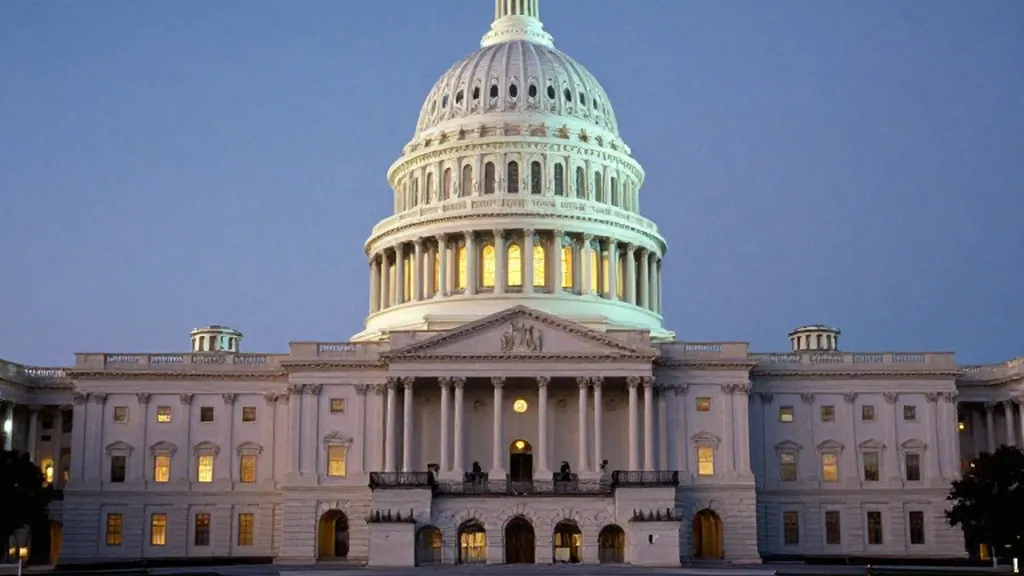
Democrats have claimed majorities in both the United States House and Senate, marking a decisive shift in power that will define the next two years of federal policy. As of 4 p.m. EST on November 6, the new composition of Congress will feature at least a 250-157 Democratic majority in the House and a 54-44 Democratic majority in the Senate. This outcome represents a significant repudiation of the administration, with Republicans losing at least seven Senate seats and 42 House seats. The loss of seven Senate seats places this election in the top 20% of historical swing years against a president’s party, a threshold often described as a wave election. For voters in the Southwest, this federal shift coincides with local victories that align with national Democratic trends, creating a unified front for oversight and legislative action.
The immediate consequence of this victory is the ability for Democrats to initiate formal investigations into the Trump administration’s actions. This includes a focused review of the war in Iran, a conflict that has drawn significant criticism and contributed to the Republican losses. The House Democratic leadership, including Rep. Hakeem Jeffries, has signaled support for holding the administration accountable for its military and executive decisions. With control of the House, Democrats can issue subpoenas and compel testimony from key officials. This power was previewed earlier in the week when Rep. Thomas Massie, a Kentucky Republican, moved to impeach Defense Secretary Pete Hegseth. Although the House vote on that specific measure is still pending, the new Democratic majority ensures that such oversight mechanisms will be central to the incoming Congress’s agenda.
In the Senate, the new Democratic majority of 54 seats provides the necessary numbers to confirm nominees and pass legislation, subject to the filibuster. This control is particularly important for overseeing the Department of Education, an agency that Democrats have long criticized for being dismantled under the current administration. Sen. Elizabeth Warren has called on her colleagues to hold the administration accountable for its handling of federal student loans and its anti-discrimination policies. The Senate’s new leadership will likely prioritize using appropriations powers to establish guard rails against administrative overreach. This approach allows Democrats to influence policy through the budget process, even if the president retains veto power over standalone bills.
Locally, the Southwest region saw strong performance for Democratic candidates, reinforcing the national trend. In New Mexico, incumbent Senator Ben Ray Luján retained his seat, adding to the seven Senate seats gained by the Democratic Party. His victory secures a key swing-state vote for the new Senate majority. The state also saw an open governor’s race, where the outcome contributed to the overall Democratic gain in governorships. New Mexico’s results reflect a broader pattern in the region where Democratic candidates performed well in both federal and state races, capitalizing on voter concerns about the cost of living and healthcare.
Arizona, a pivotal state in the Southwest, saw incumbent Governor Katie Hobbs win re-election. Her victory is significant as it maintains Democratic control over the state’s executive branch, which is crucial for implementing state-level policies on infrastructure and education. Arizona did not have a Senate race in this cycle, but the governor’s office remains a focal point for state legislative priorities. Hobbs’s win aligns with the national data showing that Democrats won a majority of governorships for the first time since before the 2010 elections. This trifecta status, where one party controls both the governor’s office and the state legislature, was decided in 44 of the 46 states as of the latest reporting, with Democrats holding a plurality of these positions.
Nevada, another key state in the region, saw incumbent Republican Governor Joe Lombardo face a challenging environment, though the specific result for the governor’s race is part of the broader state legislative outcomes. Nevada did not hold a Senate race this year, focusing voter attention on the executive and legislative branches. The state’s contribution to the national tally helped cement the Democratic majority in the House, as several House districts in the state flipped to Democratic control. The region’s overall performance demonstrates a cohesive Democratic strategy that resonated with voters across state lines, from the mountain west to the desert southwest.
Colorado also played a crucial role in the national results, with incumbent Senator John Hickenlooper securing his seat. His victory is part of the seven-seat Senate gain for Democrats, which was essential for achieving the 54-seat majority. Colorado also had an open governor’s race, which contributed to the state’s legislative dynamics. The state’s results, combined with those from New Mexico, Arizona, and Nevada, show a region that voted decisively for change. This regional consistency provided Democrats with the confidence to push for immediate action on key issues like the Iran war and education policy once the new Congress convenes in January.
The transition of power will be a period of intense activity as the new leadership prepares to implement its agenda. Democrats plan to use their oversight powers to scrutinize the administration’s handling of the war in Iran, a topic that has generated significant public debate. The new House majority will likely hold hearings to examine the decisions made by the Department of Defense, including the roles of key officials like Defense Secretary Hegseth. This oversight is expected to be a central theme of the early sessions, as Democrats seek to establish a record of accountability and transparency.
In the Senate, the focus will be on using the power of the purse to influence federal spending. Senators like Chris Van Hollen have indicated an interest in adding conditions to spending bills to rein in the administration’s education agenda. This strategy aims to prevent further dismantling of the Department of Education and to protect federal funding for schools and universities. The new majority will also work to confirm new judges and agency heads, ensuring that the executive branch reflects the new congressional balance. This process will be a key battleground as Democrats seek to shape the administration’s operations from the inside.