Trump's $5,000 Dividend Faces Steep Congressional Hurdle After Midterm Shift
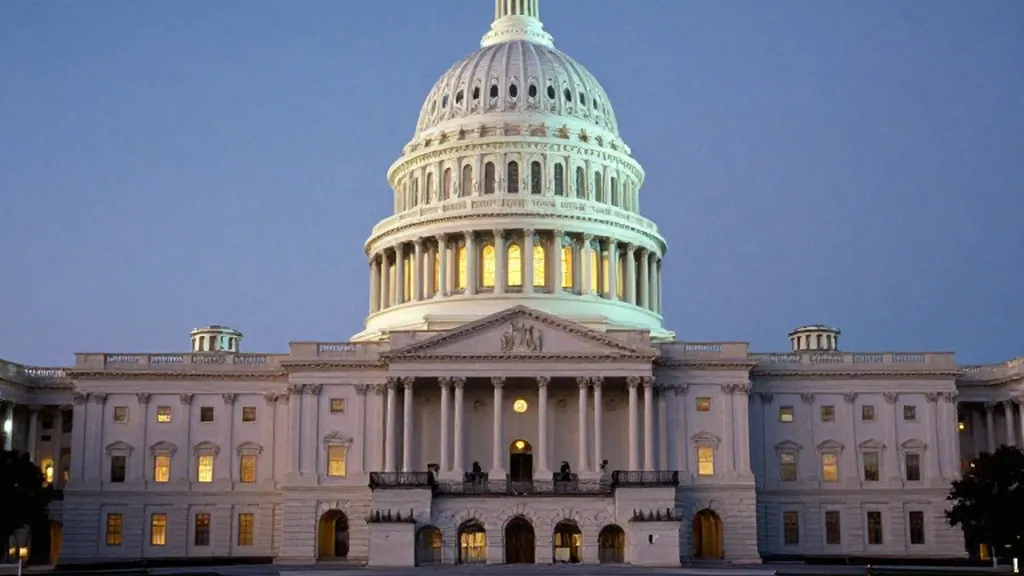
Speaker Johnson says the $5,000 payout requires congressional approval, a hurdle that becomes steeper as Democrats take control of both chambers following the November 3 results.
By Aminata Jenkins ·
President Donald Trump promised a $5,000 payment to every American adult at the Republican Midterm Convention in Dallas last week, a pledge he explicitly conditioned on his party retaining control of both chambers of Congress. The promise, branded the "Trump Dividend," was delivered during a nearly two-hour speech where the president argued that the nation's economic success justified a direct cash transfer to citizens. While the announcement generated enthusiasm among party loyalists, it also sparked immediate debate over the mechanics of such a payout and whether it was a strategic effort to secure votes for the November 3 election.
House Speaker Mike Johnson, R-La., addressed the logistics of the proposal shortly after the convention. He stated that congressional approval is required for the payment to proceed. "I would assume, yes, he'd need Congress to act, and that's a creative idea," Johnson said. He pledged to work with the administration to find consensus on the measure, acknowledging the challenge of passing such significant spending with a potentially slim Republican margin. Johnson’s comments stood in contrast to Trump’s initial remarks to CBS News Texas, where the president suggested that Congress might not need to authorize the payments, though he did not specify how he would spend more than $1 trillion without legislative approval.
The financial scale of the promise is substantial. The U.S. Census Bureau estimates there are about 245 million U.S. citizen adults, meaning the cost of the dividend would be approximately $1.2 trillion. This expenditure would place further strain on the country's nearly $1.8 trillion annual budget deficit. Economic experts have raised concerns that such a large injection of cash could exacerbate inflation, a persistent issue that has frustrated voters heading into the midterms. The administration has cited tariff revenues as a potential funding source, a claim that has faced scrutiny from fiscal analysts who note that tariff income is far less than the total cost of the checks.
Bipartisan criticism emerged quickly regarding the timing and nature of the pledge. Some Republicans questioned whether the president was using the promise to buy votes, a tactic that has historically been viewed with skepticism. Texas Representative Chip Roy, a Republican, wrote on social media that "Dependency is evil and soul-sucking in all its forms," questioning the long-term implications of such a payment. Meanwhile, election law experts noted that while the promise is likely legal under the First Amendment as a campaign pledge, its implementation remains a complex legislative hurdle. Rick Hasen, a professor at UCLA, explained that candidates are permitted to make such promises, but the power to enact them resides with Congress.
PolitiFact has found that the biggest payment in the administration's trio of proposed payouts is far from certain. The fact-checkers noted that the White House has announced no formal plan for how Americans would receive the checks, nor has it detailed the specific eligibility criteria beyond the broad description of "every adult citizen." The analysis highlighted that the payout would require a 60-vote supermajority in the Senate if it is tied to legislation that faces a filibuster, making passage difficult even if Republicans hold a simple majority. This uncertainty has led some analysts to describe the promise as a "dubious election-year gambit" that may be more political than practical.
In the Southwest, the outcome of the midterms has significant implications for the region's political landscape. In Arizona, incumbent Democratic Governor Katie Hobbs won re-election, securing a Democratic trifecta in the state. New Mexico saw incumbent Democratic Senator Ben Ray Luján retain his seat, while the governor's race, an open seat, was won by a Democrat. In Nevada, incumbent Republican Governor Joe Lombardo won re-election, holding the state's executive branch for the GOP. These results reflect a mixed map in the region, with Democrats gaining ground in some areas while Republicans maintained strength in others, particularly in executive offices.
Colorado also saw a shift in power, with incumbent Democratic Senator John Hickenlooper winning re-election and a Democrat taking the open governor's seat. Utah, with no Senate or governor races on the ballot this cycle, saw its congressional delegation remain under Republican control, consistent with the state's historical voting patterns. The regional results underscore the competitive nature of the 2026 midterms, where voters in the Southwest weighed the cost of living, the war in Iran, and oversight of the administration against the promise of direct economic relief. The diversity of outcomes across these states suggests that the national political tide was not uniform, with local factors playing a decisive role in many races.
Speaker Johnson’s commitment to implementing the dividend comes as the new Congress prepares to take office in January. With Democrats now holding majorities in both chambers, the path to enacting Trump's $5,000 promise has become significantly more complex. The president has vowed that the payment will "100%" happen, but the legislative reality is that it must compete with other priorities, including oversight of the Iran war and education policy reforms. The administration's plan to fund the dividend through tariffs faces further challenges, as the Supreme Court struck down most of Trump's tariffs in February, leaving the revenue base smaller than initially projected.
The promise of the "Trump Dividend" highlights the tension between executive ambition and legislative procedure. While the president can propose the payment, only Congress can appropriate the funds. This separation of powers has become a central point of contention as the two parties prepare to negotiate the budget for the next fiscal year. The political stakes are high, with the dividend serving as a test of the new Congress's ability to enact the president's agenda while addressing the concerns of a electorate that is deeply dissatisfied with the current economic trajectory.