Digital Mobilization: Mckesson Laments Loss of Real-Time Protest Tools
The Campaign Zero executive argues at the Web Summit that the shift from Twitter to polished social media has altered the speed and reach of civil rights campaigns.
By Giulia Liu ·
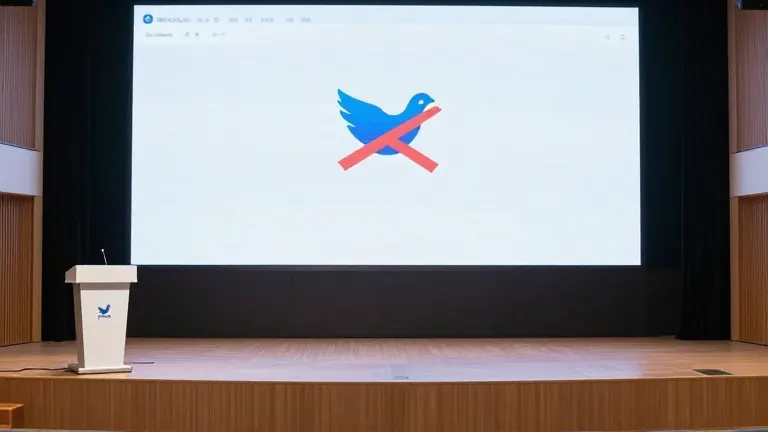
DeRay Mckesson says the loss of Twitter as a primary tool for rapid mobilization has changed how activists organize in the United States.
Mckesson, who gained prominence as a Black Lives Matter leader in 2014, spoke at the Web Summit in Lisbon on Tuesday. He described the former social network, now rebranded as X under Elon Musk, as a "powerful platform" for getting protesters onto the street. He noted that the speed of Twitter allowed for real-time coordination, a capability that has diminished with the rise of slower-paced platforms like Instagram and TikTok.
The shift in digital habits has altered the nature of content distribution for civil rights groups. Mckesson explained that creating video footage for Instagram now takes more time, requiring activists to polish their material before release. This contrasts with the immediate, unedited tweets that characterized early street-level protests. Despite this slowdown, he observed that the recent U.S. midterm elections demonstrated a wider reach for these campaigns. He stated that more people are accessing stories and discussing political stances through these newer channels, creating a distinct feeling in the political conversation.
Context from the 2026 election cycle highlights how mainstream actors are utilizing these digital shifts. Mckesson cited New York City Mayor Zohran Mamdani as an example of a political figure using an influencer operation to keep affordability in the public eye. He argued that social justice creators now face less resistance than a decade ago. He pointed to the backlash against the U.S. Immigration and Customs Enforcement agency as a key moment where opposition cut through more easily. In 2014 and 2015, he said, a small group worried about the agency, but now large groups of non-activists are pushing back, and reporters are questioning jail deaths more frequently.
Mckesson also noted that legacy media is increasingly helping to challenge systems by covering social and political issues that many people previously accepted as normal. He currently co-hosts the Pod Save the People podcast with Crooked Media, a format far removed from the street protests of his earlier career. He expressed comfort with this shift in audience, stating that the current public is smarter than it was in 2014. He believes modern audiences can handle nuanced conversation, making the messaging from established advocates more effective.