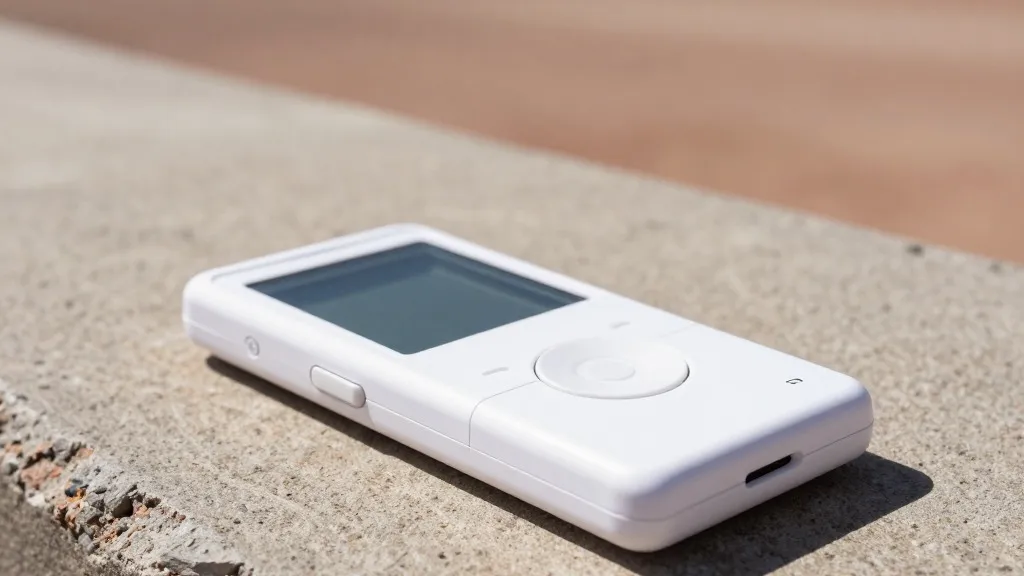
Apple CEO John Ternus in Austin as iPhone Duo Debut Faces Supply Constraints
The first foldable iPhone launches globally with limited retail stock, prompting early-morning lines and a specific app-based inventory check for disappointed buyers.
By Aiko Rojas ·
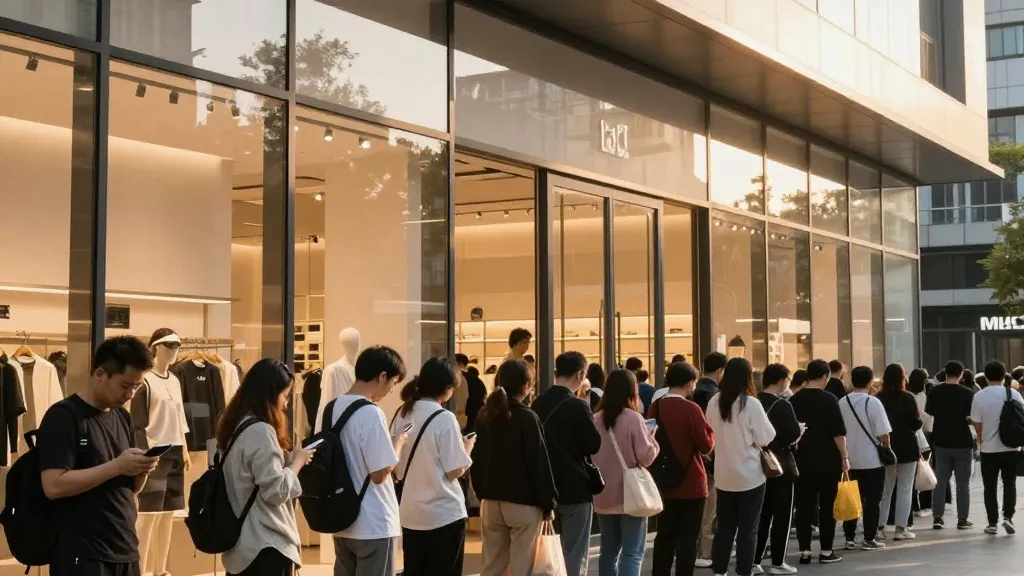
Apple’s first foldable smartphone, the iPhone Duo, hit retail shelves this morning, marking a significant expansion of the company’s hardware portfolio. However, the launch has been defined less by immediate volume sales and more by logistical friction, as consumers faced limited walk-in availability at stores worldwide. The company had explicitly warned that initial inventory would be constrained, a reality that materialized quickly as early adopters lined up outside flagship locations overnight.
The commercial debut of the iPhone Duo signals a major strategic shift for Apple, entering the foldable phone market with a device designed to disrupt current form factors. For the business desk, the key takeaway is not just the product release, but the immediate supply chain dynamics at play. By restricting initial retail stock, Apple is managing demand spikes and potentially preserving the premium positioning of the new device while it stabilizes production volumes.
A primary point of focus for investors and market watchers is the geographic distribution of the launch events. Apple placed its highest-profile executive, CEO John Ternus, in Austin, Texas, rather than the traditional Silicon Valley or New York hubs. Ternus was seen at the Domain NORTHSIDE location alongside retail chief Deirdre O’Brien. This choice aligns with recent reports that Ternus has been touring Apple’s Austin offices this week, suggesting a deeper integration of the company’s operations in the Southwest.
The selection of Austin for the CEO’s launch presence is not merely coincidental. The city is currently hosting the Formula 1 United States Grand Prix this weekend, and Apple holds the exclusive streaming rights for F1 in the United States. By positioning the iPhone Duo launch alongside this high-profile sporting event, Apple is leveraging a dual market opportunity: capturing tech enthusiasts eager for the new foldable hardware and engaging sports fans who are likely using their devices to stream the race. This cross-pollination of audiences represents a calculated marketing play for the quarter.
In New York, the launch was equally prominent, with senior vice president of worldwide marketing Greg Joswiak and retail executive Vanessa Trigub presiding over the flagship Fifth Avenue store. Apple released a series of images this morning from its global rollout, depicting crowded floors and staff assisting customers with hands-on demos. The visual narrative from Apple emphasizes a controlled, high-touch retail experience, contrasting with the chaos of the lines forming outside the glass doors.
For the average consumer, the immediate challenge is accessing the hardware. Apple Store employees are currently advising shoppers who have been turned away due to low stock to check the Apple Store app at 10 a.m. Eastern Time tomorrow. This specific instruction highlights the company’s reliance on its digital ecosystem to manage physical retail inventory in real-time. It suggests a hybrid retail strategy where the app serves as a dynamic tool for allocating limited physical units, rather than a static catalog.
The limited inventory warning issued by Apple appears to have been an accurate forecast. Reports from various locations indicate that walk-in availability is scarce, forcing many customers to wait for the next day's app update to see if their local store has restocked. This scarcity may drive early sales figures higher in the short term but could also lead to customer friction if the restocking schedule is not perceived as transparent.
Contextually, the iPhone Duo launch is a critical test for Apple’s foldable ambitions. After years of speculation and competitors establishing footholds in the segment, Apple’s entry is expected to drive significant upgrade cycles. The company’s ability to balance the hype of a new category with the practicalities of global supply chains will determine the success of this release. The focus on personalized shopping support and hands-on demos in stores suggests Apple is prioritizing user education over pure volume in this initial phase.
Looking ahead, the next 24 to 48 hours will be crucial for understanding the initial market reception. The 10 a.m. ET app inventory drop tomorrow is the next major data point for retailers and analysts. If the lines persist and the app shows continued scarcity, it may indicate that the initial production run was deliberately small to test demand. Conversely, a quick restock could signal that supply is stabilizing faster than anticipated. For now, the iPhone Duo has arrived, but the battle for market share is just beginning with these early logistical hurdles.
More Business · Business Watchdog · Report a business · Got a Story?