Tesla Sets Q2 2027 Target for Unsupervised FSD, But Only Within Robotaxi Geofences
The automaker’s AI chief clarified that owner vehicles will join a managed fleet in limited zones, rather than gaining unrestricted self-driving capabilities.
By Aminata Jenkins ·
1.1 million shares. That is the weight of the shareholder question that dominated Tesla’s third-quarter 2026 earnings call: when will unsupervised Full Self-Driving (FSD) arrive in customer-owned vehicles? The company answered with a specific timeline, targeting the second quarter of 2027. However, the definition of that milestone has narrowed significantly from the broad promise of a decade-long marketing campaign. This is no longer about a car that drives you anywhere you want to go. It is about adding your personal vehicle to a managed, geofenced fleet operated by Tesla.
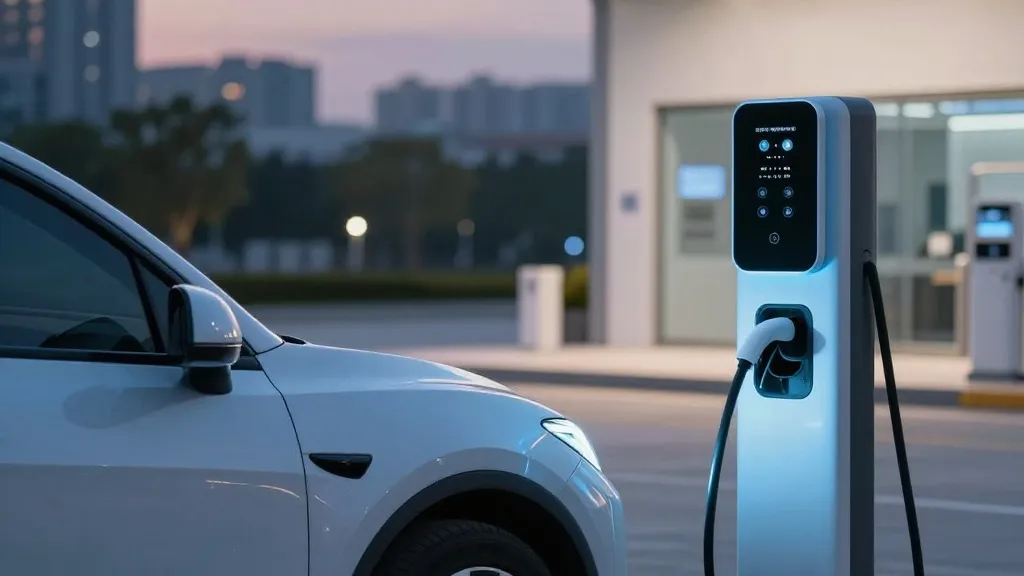
The first key point is the structural shift in how the technology will be deployed. Ashok Elluswamy, Tesla’s AI chief, framed the update not as a software patch for general use, but as an integration into the existing Robotaxi network. Under this model, owners will be able to add their vehicles to Tesla’s managed fleet. This means the car will only drive itself unsupervised where Tesla’s Robotaxi service already operates. It is a move from a consumer product to a fleet-management feature, fundamentally changing the value proposition for buyers who expected a personal autonomous ride.
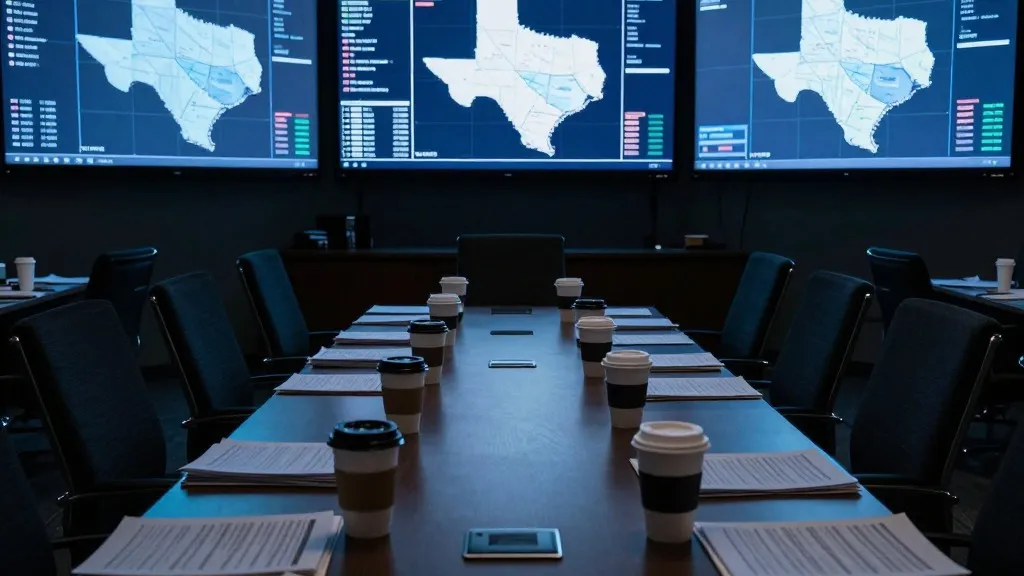
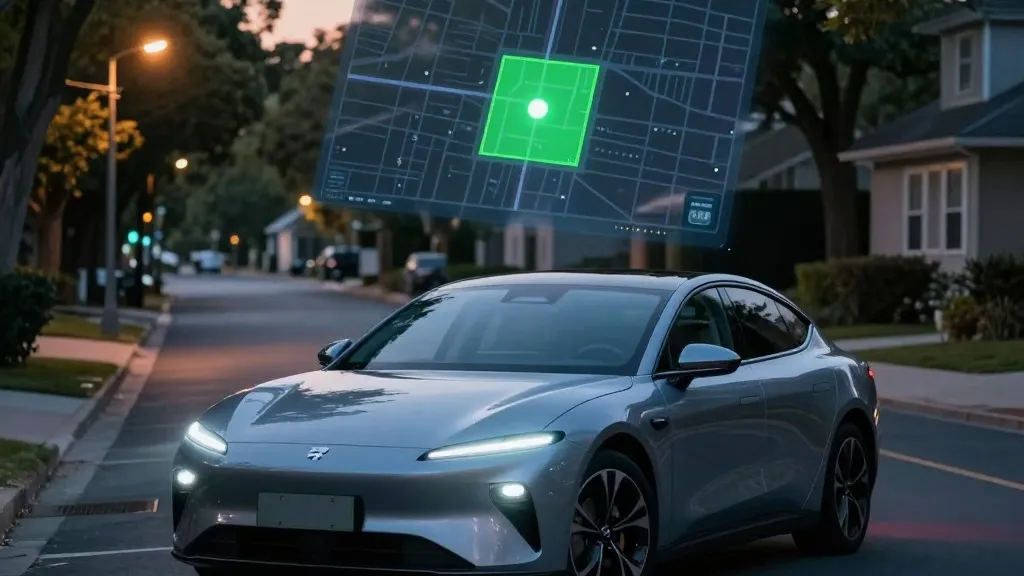
The second key point concerns the limited geography of this rollout. Tesla’s Robotaxi service currently operates in six US metropolitan areas, but the service areas are small slices of those cities. For example, the Miami zone covers mostly West Miami and a strip toward Doral and Sweetwater. Similar small geofences were launched in Orlando and Tampa in July. Inside these zones, the service sticks to low-speed routes, largely avoids highways, and skips the more complex parts of town. This suggests that the Q2 2027 rollout will be equally constrained, offering unsupervised driving only in specific, controlled environments.
The third key point highlights the operational scale and regulatory hurdles. Tesla reported that its Robotaxi service reached nearly 2 million cumulative unsupervised miles by the end of Q3 2026. This figure came a month after the Cybercab joined the Austin fleet. Despite these numbers, third-party tracking this spring showed only dozens of fully driverless Teslas on the road, far fewer than the hundreds of thousands previously hinted at by leadership. Furthermore, in the Bay Area, the service is not yet unsupervised because California rules require a safety driver in every car, a step Tesla has not yet cleared due to data-sharing requirements with the state DMV.
The context of this announcement is defined by a long history of shifting timelines. Elon Musk told investors in July 2025 that unsupervised FSD would be available for personal use by the end of that year in certain geofographies. A year prior, he expressed surprise if the company had not achieved unsupervised self-driving the following year. Now, with the target set for Q2 2027, the product is narrower: your car joins Tesla’s fleet, in Tesla’s zones, on Tesla’s terms. This marks a departure from the original pitch, which promised a car that would eventually drive itself anywhere through a simple software update.
There are also hardware implications for existing customers. Owners of the HW3 computer, who purchased FSD, have already been informed that their hardware cannot run unsupervised FSD at all. There is currently no clear upgrade plan for this segment of the market. This creates a two-tier system where newer hardware enables the fleet integration, while older hardware remains in a limbo state, further complicating the narrative of a universal software update.
Market competitors are already moving in these same geographies. Waymo, for instance, was operating in both Orlando and Tampa before Tesla launched its service there. The competitor has accumulated over 3 million miles, suggesting a head start in both data collection and operational experience. As Tesla pushes its timeline to Q2 2027, it is doing so against a backdrop of established rivals who have already navigated the initial regulatory and operational challenges in these specific markets.
Looking ahead, the bottleneck remains safety. Elluswamy reiterated that safety is the primary constraint, which is why Tesla limits its operations to low-speed roads and avoids harder environments. He believes these safety issues will be resolved by next year, though he acknowledged uncertainty. For investors and consumers, the message is clear: the era of the fully autonomous personal car is being redefined as a service within a managed ecosystem. The goalposts have moved from 'drive anywhere' to 'work in a specific zone,' and the market must now price in that narrower utility.
More Business · Business Watchdog · Report a business · Got a Story?