Six Decades Later: Riverside Family Doubles Reward to $100,000 for 1966 College Murder
Ken Welty and the family of Cheri Jo Bates hope new DNA technology will finally identify the suspect in the unsolved homicide on the Riverside City College campus.
By Aminata Jenkins ·
Ken Welty and his wife increased the cash reward for the murder of Cheri Jo Bates from $50,000 to $100,000 earlier this year. The couple funded the doubling through contributions from colleagues and friends. Welty, a retired lieutenant with the Los Angeles Police Department, has tracked the case for six decades. He said he could have stayed quiet and lived with the loss, but he could not accept that his childhood friend was dead without answers.
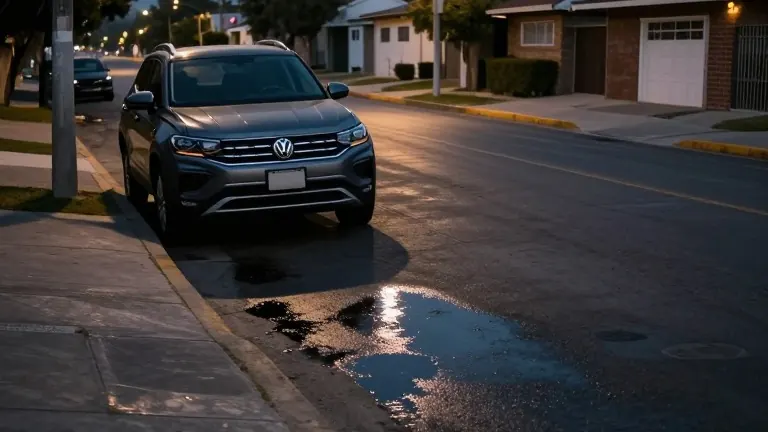
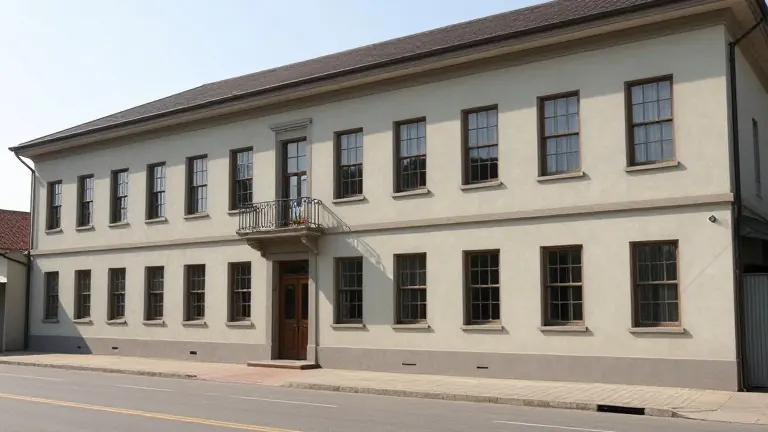
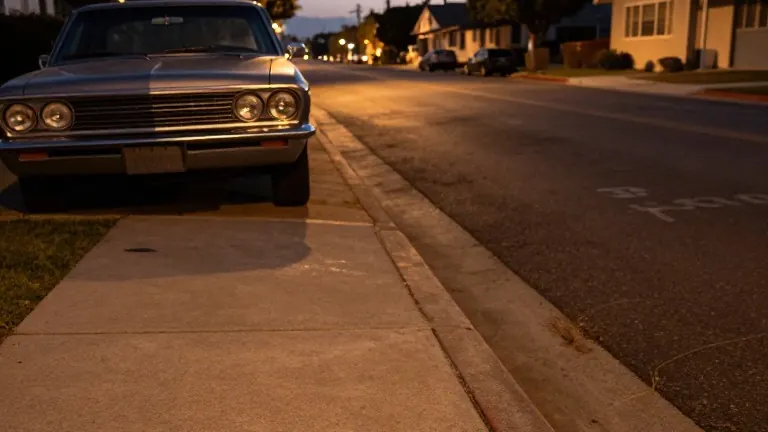
Bates was 18 years old when she was found dead on Terracina Avenue in the early morning of October 31, 1966. The location was near residential homes connected to the Riverside City College campus. She had told her father she would study in the library the previous night, but she never returned home. Her car had been tampered with, which prevented her from driving away on the night of October 30. Welty believes a person with unrequited romantic interest lured her from the vehicle and stabbed her more than 40 times.
Welty and Bates met in the sixth grade at Jefferson Elementary School in Riverside. He described her as an outgoing girl with many friends who never had problems with anyone. The unsolved nature of the crime has generated decades of speculation. Michael Bates, the victim’s brother, receives calls, emails, and letters from self-styled investigators. He and Welty noted that most claims were factually incorrect attempts to link the case to the Zodiac Killer. A 1967 letter sent to the police department resembled the Zodiac’s style, but investigators later determined it was a hoax. The Riverside Police Department stated it would focus its attention on who killed Cheri Jo rather than joining the Zodiac investigation.
Police had a primary suspect who attended Ramona High School with Bates and Welty. They could not charge the individual due to a lack of DNA evidence at the time. Welty said the suspect fit the description of the killer. Both Welty and Michael Bates believe Bates trusted the person enough to leave her keys in the ignition while she followed them back to the main campus. Contemporary news reports noted that Bates fought her assailant, clawing and scratching during the attack. Investigators recovered a strand of hair from a Timex watch found near the scene.
Michael Bates said he was told the DNA was too degraded to analyze in 1966. He now hopes advancements in the field will yield results. "I think at some point, it’s possible that something could come out of this even after 60 years because there's so much more advancements, especially with DNA," he said. The Riverside Police Department Homicide Cold Case Unit continues to work the file. Welty expressed a desire to see a conviction in his lifetime. He noted that while their friends went on to build families and careers, Bates never got to fulfill her dreams.
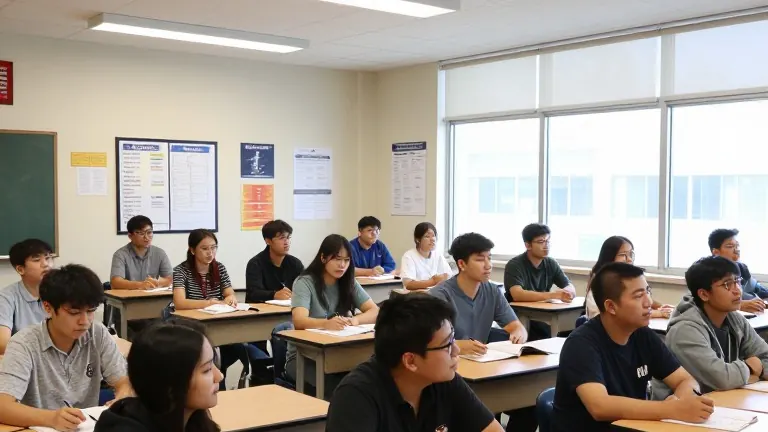
The crime left a lasting impact on the campus community. Marilyn Shea Stonum, a 19-year-old editor for the college paper, recalled the heaviness that followed the death. Her father asked her to move back home due to safety concerns after she had been walking alone to her internship. Mary Gottschalk, a features editor, was on campus the morning the body was found. Her editor asked her to check the scene to see if she knew the victim. She turned around before reaching it and learned Bates’ identity later that day. Gottschalk said she hopes people remember Bates as a full human being rather than just a photo in a crime story.