English classes: 20,000 adults wait in Massachusetts
Grant recipients at Bunker Hill Community College showcased new teaching models while UMass Donahue Institute head Johan Uvin addressed the state's long waitlists.
By Aiko Rojas ·
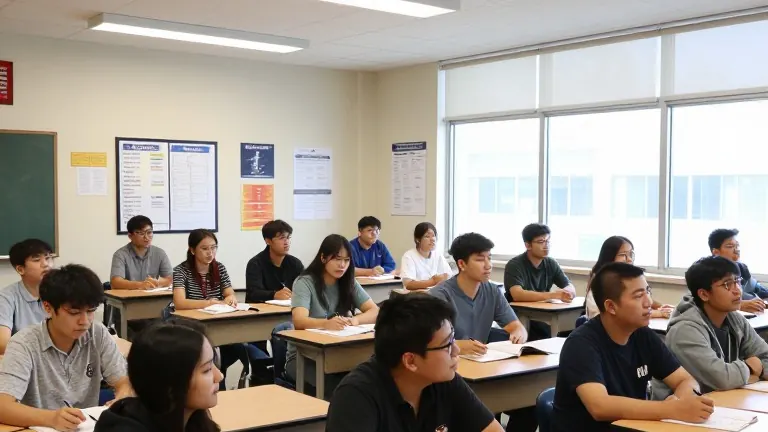
Thousands of adults in Massachusetts continue to wait for spots in English as a Second Language classes. Johan Uvin, executive director of the UMass Donahue Institute, stated that 20,000 residents are currently on the waiting list. He argued that these learners should not face such long delays.
Uvin delivered the keynote address at the Spotlight on Innovation in Adult Basic Education event on Nov. 6. The gathering took place at Bunker Hill Community College and brought together adult learners who received funding from First Literacy. First Literacy provides grant money to adult basic education programs in the state. It also offers free professional development workshops for instructors and scholarships for adult students.
In July, the organization awarded $34,000 in total grant funding to eight nonprofits. Recipients included organizations based in Haverhill, Framingham, Roxbury, and Worcester. Uvin described these providers as creating proof points for policymakers. He noted that officials struggle to determine how a properly resourced and redesigned adult education system would function.
The grant recipients presented various strategies to improve service delivery. One group developed a summer literacy program for families. Another created an AI mini course to help build study programs for immigrants and low-income English learners. A third group focused on leadership skills for coaching adult learners.
Uvin previously served as a manager at the U.S. Department of Education Office of Career, Technical, and Adult Education. He emphasized that innovation by nonprofit providers is necessary for the economic advancement of adult learners. The event concluded with a review of these new pathways to learning.
First Literacy said in a statement that the event celebrated progress among its funded partners. The organization continues to support basic education initiatives across Massachusetts. The next step involves further implementation of the strategies presented by the grant recipients.