San Diego Rents: New Supply Keeps Prices Below Neighbors
USC economists project a 1.5% annual rent increase through 2029, attributing current affordability to a 16,000-unit construction surge since late 2023.
By Aiko Rojas ·
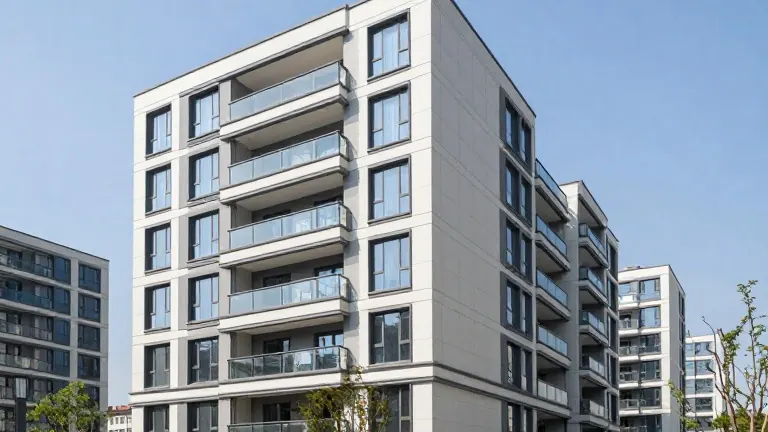
San Diego County rents will continue to rise through 2029, yet the pace of increases remains slower than in neighboring markets due to a recent surge in apartment construction. A University of Southern California forecast released Tuesday projects average annual rent growth of 1.5% for the county over the next three years.
The average rent in San Diego County stood at $2,592 in June. The Lusk Center for Real Estate projects this figure will reach $2,707 by June 2029. The county’s vacancy rate, which measured 6.31% in June, is expected to drop to 4.9% as the market absorbs new units.
Construction activity has been a primary driver of the county's relative affordability. San Diego County added approximately 16,000 apartments since late 2023. This volume represents roughly double the new supply added in Orange County during the same period. As a result, average rents in San Diego County are about 7% lower than those in Orange County, where the average rent was $2,792 in June.
Moussa Diop, an associate professor of real estate at the USC Sol Price School of Public Policy and author of the forecast, stated that housing cannot be affordable unless there is plenty of it. The report credits increased density and the Complete Communities initiative for helping the county meet housing demand. Recent construction was not limited to luxury properties; midrange Class B units comprised about 34% of new deliveries.
Diop noted that San Diego and the Inland Empire demonstrate that affordability is still achievable, though meaningful gains require time and sustained development. The forecast cautioned that new housing deliveries are expected to slow down. This deceleration could threaten the affordability gains the county has recently secured.
Across Southern California, the report projects varied rent growth rates for the coming years. Los Angeles County is expected to see 1.4% annual growth, while Orange County will face 1.9%. Ventura County projects 2.2% growth, and the Inland Empire anticipates the highest increase at 2.4%. Persistent inflation, elevated interest rates, and high construction costs remain obstacles to future development. Diop described the region's housing shortage as a problem the area created but also one it can solve.
More Business · Business Watchdog · Report a business · Got a Story?