
Dr. Rhea Rogers Says Chronic Pain Treatment Must Target Root Cause
Medical experts argue that identifying the source of pain, rather than relying solely on medication, can improve sleep and mobility for older adults.
By Aminata Jenkins ·
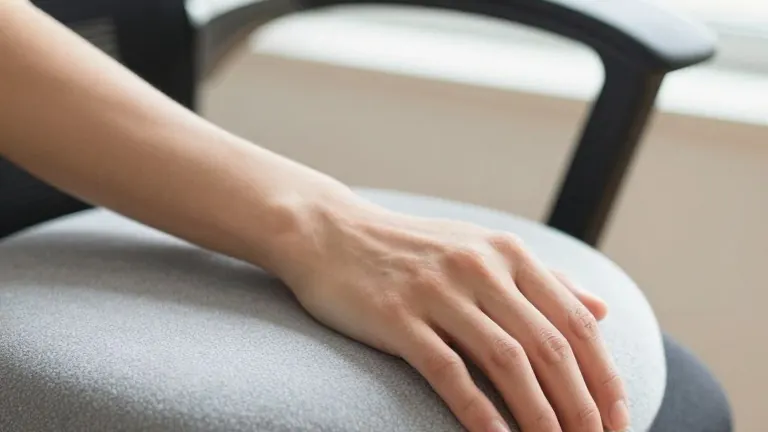
Chronic pain sufferers often face a limited set of options, according to Dr. Rhea Rogers, a board-certified physician. She stated that many individuals feel forced to choose between enduring discomfort or taking strong medication. Rogers argued that there are other management strategies that can help patients sleep better, move more freely, and regain control of their daily lives.
The first step in managing pain is identifying its source, Rogers said. She noted that pain can originate from damaged muscles, injured tissue, or nerves. It can also result from a nervous system that has become overly sensitive. Because the origin varies, the required treatment also changes. Rogers explained that once the cause is known, doctors can prescribe specific interventions, which may include targeted movement and stretching exercises.
Sleep often plays a critical role in pain management, but patients frequently overlook it. Rogers said that while pain can interfere with rest, achieving good sleep can actually reduce pain levels. She emphasized that improving sleep quality is a key component of breaking the cycle of chronic discomfort.
Amy O’Rourke, an aging expert, shared her personal experience with chronic back pain that began around age 50. She had been seeing a chiropractor for regular adjustments until he advised her to stop certain activities that were aggravating her condition. He recommended she stop wearing high heels, use an ergonomic cushion at her desk, and stop running. O’Rourke said this approach of identifying what not to do was helpful in reducing her symptoms.
O’Rourke also consulted a physiatrist for a hip issue. She found that walking up and down stairs made the pain worse. Her doctor taught her to sleep on her side with a pillow between her legs. O’Rourke stated that after making these changes, she no longer experiences pain in that area.
Gerontologist “Sam” Cradduck said she injured her lower back in her 20s and was offered surgery, which she declined. Another physician advised her to adjust her car seat position. Cradduck listed several other non-surgical options, including acupuncture, dry needling, chiropractic care, cognitive behavior therapy, and massage therapy. She also described transcutaneous electrical nerve stimulation units, which are used to treat muscle pain and loosen tight muscles. Rogers added that several aesthetic clinics use similar machines to increase blood flow and improve mobility.
Inflammation can exacerbate pain, Rogers said, so patients should look for the source of that inflammation. Katherine Ambrose, an aging well coach, noted that deconditioning, or becoming weaker due to lack of exercise, can create a cascade of pain issues. She said that people often accept pain as a normal part of aging, but that is not necessarily the case. Movement increases blood flow, which can make physical function easier. Physical therapy can help strengthen the muscles around an injury to provide support during healing.
Cradduck advised that patients should not avoid medication out of fear, citing cases of elderly patients who declined prescribed drugs after hip replacements due to addiction concerns. The goal of treatment is not always to be completely pain-free, she said. Instead, the aim is to reach a level of pain that does not interfere with daily living. When pain begins to disrupt normal activities, patients should seek medical attention.
The information provided by these experts is for educational purposes. Patients are advised to consult with a licensed physician for personal medical advice and to determine the best course of treatment for their specific condition.