Caltech Seismologist Lucy Jones to Direct New Disaster Preparedness Hub in Pasadena
The Center for Disaster Resilience will expand the region's earthquake model to include secondary hazards like fires and chemical spills, driven by rising climate risks.
By Aiko Rojas ·
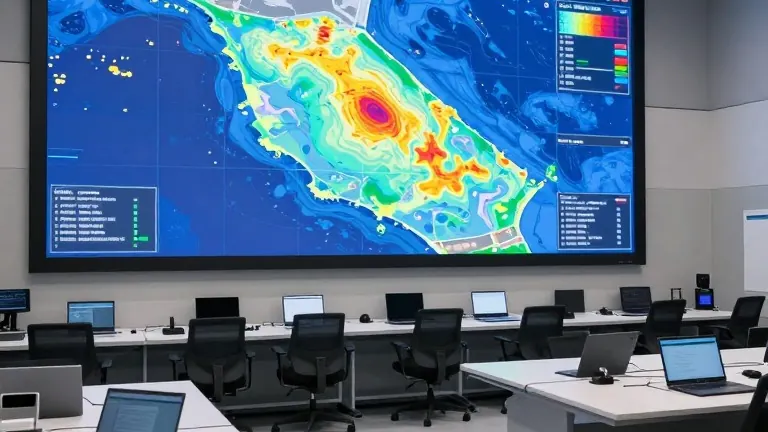
The California Institute of Technology will open a new Center for Disaster Resilience in Pasadena this year to coordinate regional preparation for natural hazards. Dr. Lucy Jones, a seismologist and the center’s director, will lead the effort to align scientific data with community leadership for earthquakes, wildfires, extreme heat, flooding, and tropical storms.
Jones emphasized that preparation must go beyond immediate response to include preventing damage before it occurs. She stated that evidence-based science is necessary to make effective decisions. The center aims to ensure that critical information is accessible both before and after a disaster strikes.
A primary function of the new center is updating the ShakeOut Scenario, Southern California’s standard earthquake planning model. The revised model will move past structural building damage to assess secondary disasters, including fires, mudslides, and chemical spills. It will also measure potential social and economic disruptions caused by these events.
Caltech officials cited climate change as the driver for this expanded approach, noting that it increases the power of regional disasters. The team will also monitor the impact of the current El Niño weather pattern. Professor Tapio Schneider, a Caltech environmental scientist, noted that models indicate an 80 percent probability of a wetter than normal winter, with a possibility of record breaking rainfall.
Experts advise residents to finalize emergency plans and secure their homes now rather than waiting for a crisis. The center’s work focuses on integrating these practical steps with advanced modeling to reduce the region's vulnerability to multiple simultaneous threats.